How Creators, AI & communities are reshaping influence
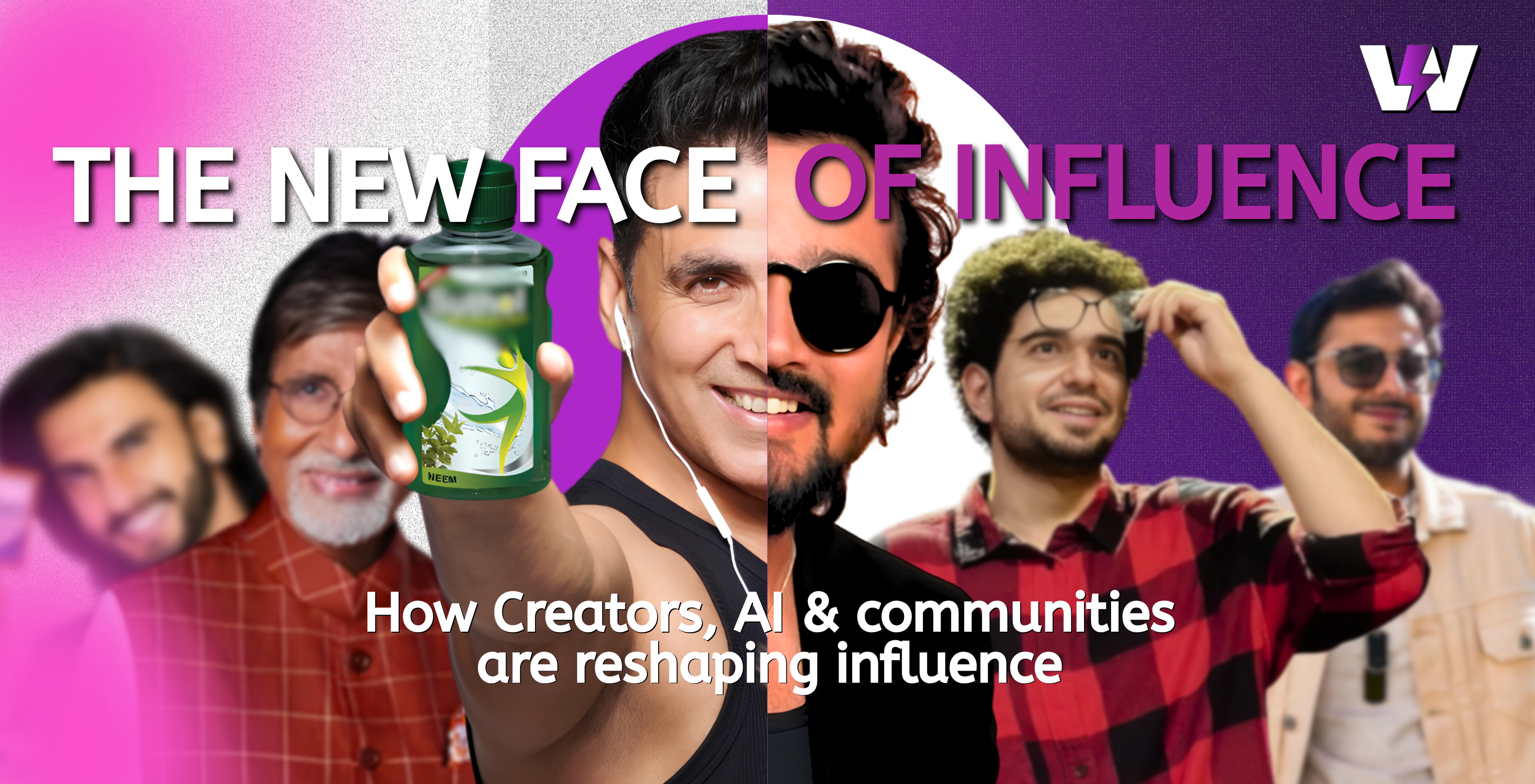
The future of influencer marketing in India will be defined by authenticity, regional reach, technology and measurable impact.
Latest Trends in Influencer Marketing in India: What Brands Need to Know in 2026
Influencer marketing in India has moved far beyond celebrity endorsements and one-off Instagram posts. In 2026, creators are becoming an important part of how brands build awareness, trust and even drive measurable sales. India’s influencer marketing industry is estimated at around ₹3,000–3,500 crore, with the sector expected to grow significantly over the next few years.
1. Micro and Nano Influencers Are Taking the Lead
Brands are increasingly looking beyond follower counts. Micro and nano influencers often have smaller but highly engaged communities, making their recommendations feel more authentic and relatable. This is particularly valuable in India, where niche creators can connect strongly with audiences around specific interests, cities and languages.
2. Regional and Vernacular Content Is Growing
The next wave of influencer marketing is coming from India’s Tier-2, Tier-3 and Tier-4 cities. Hindi, Hinglish and regional-language creators are helping brands reach audiences that traditional metro-focused campaigns often miss. Local culture, language and relatability are becoming powerful drivers of engagement and conversion.
3. Long-Term Creator Partnerships
Instead of hiring influencers for a single post, brands are increasingly building long-term relationships with creators. This allows creators to become genuine brand advocates and develop stronger storytelling over multiple campaigns. According to Kofluence’s 2026 research, 62.1% of brands surveyed favour long-term creator relationships over one-off collaborations.
4. AI Is Changing the Creator Workflow
Artificial intelligence is becoming a creator’s assistant rather than a replacement for creativity. From content ideas and captions to trend analysis, editing and campaign planning, AI is helping creators and marketers work faster. Kofluence reports that 59% of creators use AI tools regularly or sometimes in their workflows.
5. Influencer Marketing Is Becoming Performance-Driven
Brands now want more than likes and views. Clicks, conversions, affiliate sales, leads and revenue are increasingly being used to measure campaign success. Partnership ads are also becoming common, allowing brands to amplify creator content through paid media.
The Road Ahead
The future of influencer marketing in India will be defined by authenticity, regional reach, technology and measurable impact. Creators are no longer simply a distribution channel; they are becoming storytellers, community builders and, increasingly, entrepreneurs. For brands, the winning strategy will be to find the right creators, build genuine partnerships and turn influence into measurable business value.
The future of influencer marketing in India will be defined by authenticity, regional reach, technology and measurable impact.
Latest Trends in Influencer Marketing in India: What Brands Need to Know in 2026
Influencer marketing in India has moved far beyond celebrity endorsements and one-off Instagram posts. In 2026, creators are becoming an important part of how brands build awareness, trust and even drive measurable sales. India’s influencer marketing industry is estimated at around ₹3,000–3,500 crore, with the sector expected to grow significantly over the next few years.
1. Micro and Nano Influencers Are Taking the Lead
Brands are increasingly looking beyond follower counts. Micro and nano influencers often have smaller but highly engaged communities, making their recommendations feel more authentic and relatable. This is particularly valuable in India, where niche creators can connect strongly with audiences around specific interests, cities and languages.
2. Regional and Vernacular Content Is Growing
The next wave of influencer marketing is coming from India’s Tier-2, Tier-3 and Tier-4 cities. Hindi, Hinglish and regional-language creators are helping brands reach audiences that traditional metro-focused campaigns often miss. Local culture, language and relatability are becoming powerful drivers of engagement and conversion.
3. Long-Term Creator Partnerships
Instead of hiring influencers for a single post, brands are increasingly building long-term relationships with creators. This allows creators to become genuine brand advocates and develop stronger storytelling over multiple campaigns. According to Kofluence’s 2026 research, 62.1% of brands surveyed favour long-term creator relationships over one-off collaborations.
4. AI Is Changing the Creator Workflow
Artificial intelligence is becoming a creator’s assistant rather than a replacement for creativity. From content ideas and captions to trend analysis, editing and campaign planning, AI is helping creators and marketers work faster. Kofluence reports that 59% of creators use AI tools regularly or sometimes in their workflows.
5. Influencer Marketing Is Becoming Performance-Driven
Brands now want more than likes and views. Clicks, conversions, affiliate sales, leads and revenue are increasingly being used to measure campaign success. Partnership ads are also becoming common, allowing brands to amplify creator content through paid media.
The Road Ahead
The future of influencer marketing in India will be defined by authenticity, regional reach, technology and measurable impact. Creators are no longer simply a distribution channel; they are becoming storytellers, community builders and, increasingly, entrepreneurs. For brands, the winning strategy will be to find the right creators, build genuine partnerships and turn influence into measurable business value.